Top Steel Distribution Companies Transforming the Aerospace Sector
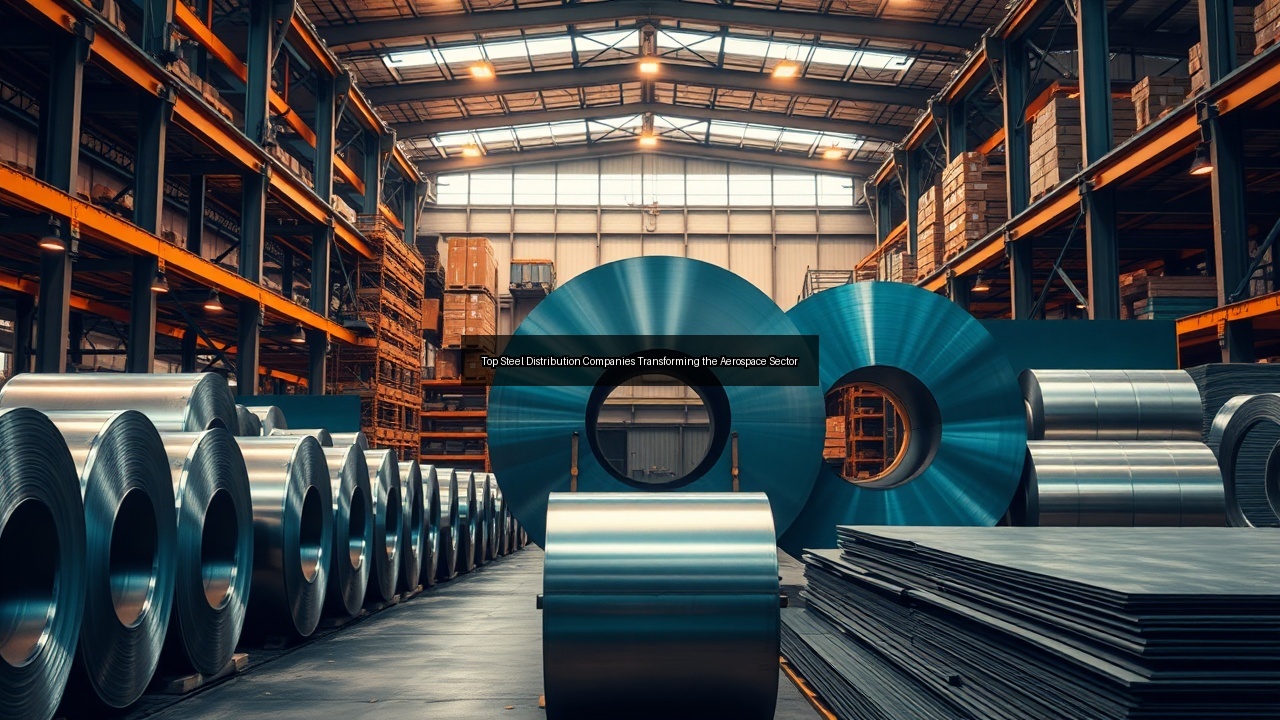
Overview of Steel Distribution in the Aerospace Sector
Importance of Steel in Aerospace Manufacturing
Steel distribution companies play a direct role in supplying the aerospace sector with materials that meet strict performance demands. Fabricators rely on these distributors to deliver consistent grades of steel that withstand extreme temperatures and stresses during flight. Without reliable steel distribution, aerospace manufacturers would face delays in building aircraft frames, engine components, and landing gear systems. The sector benefits when a steel distributor maintains large inventories of bar stock and sheet products ready for immediate shipment to production lines.
Companies in California often lead in this area because they serve both aerospace clients and related industries such as automotive and construction. A strong distributor ensures that aerospace projects receive carbon steel and alloy steel on schedule, supporting everything from prototype development to full-scale assembly. This supply chain efficiency helps reduce downtime and keeps manufacturing costs under control while meeting the high standards required for flight safety. In practice, distributors often maintain certified warehouses near major hubs like Los Angeles and San Diego, enabling same-day or next-day deliveries that keep assembly lines moving without interruption.
Furthermore, steel distributors provide critical technical data sheets and material test reports that engineers use during design validation. This documentation supports compliance with industry specifications and reduces the risk of material substitution errors that could compromise structural integrity over thousands of flight hours.
Key Types of Steel Used in Aerospace
Aerospace applications call for several specific steel types that steel distribution companies must stock and process. Stainless steel offers corrosion resistance essential for parts exposed to moisture and chemicals at high altitudes. Alloy steel provides the strength needed for structural elements that endure repeated loading cycles. Carbon steel appears in certain non-critical components where cost and machinability matter most.
Distributors also handle cold rolled steel and steel coil products that fabricators convert into precision parts. Galvanized steel finds limited use in ground support equipment rather than flight hardware. Gauge variations in sheet material allow engineers to select the exact thickness required for weight savings without sacrificing durability. A knowledgeable steel distributor maintains these options so aerospace teams can source everything from one partner instead of multiple suppliers.
Common aerospace grades include precipitation-hardening stainless steels such as 17-4 PH for brackets and fasteners, as well as high-strength alloy steels like 4340 and 300M for landing gear. Distributors frequently pre-process these materials to AMS specifications, ensuring lot traceability and mechanical property consistency that fabricators require for certification.
Leading Steel Distribution Companies in Aerospace
Top Players in Steel Distribution
Several steel distribution companies stand out for their focus on aerospace-grade materials. These firms operate extensive networks that include warehouses stocked with stainless, alloy steel, and carbon steel products. They serve clients across aerospace while also supporting oil and gas, automotive, and construction sectors with the same metals expertise. A top distributor differentiates itself through technical support, offering engineers data on material properties and processing capabilities.
Many of these companies maintain locations in California to serve the concentration of aerospace activity on the West Coast. They stock bar stock, sheet, and steel coil in multiple gauges so fabricators can pull exactly what each project requires. This breadth of inventory turns a steel distributor into a strategic partner rather than a simple vendor. Leading players often hold AS9100 and NADCAP accreditations that demonstrate their commitment to aerospace quality systems.
Innovative Practices by Leading Distributors
Leading steel distribution companies adopt practices that speed up aerospace production. They invest in inventory management systems that track lot traceability from mill to customer. Some offer value-added services such as cutting steel coil to custom lengths before delivery. Others provide metallurgical consulting that helps fabricators choose the right alloy or stainless grade for specific flight conditions.
These distributors also collaborate with aerospace manufacturers on just-in-time delivery schedules. By holding safety stock of critical items like cold rolled steel and galvanized steel, they prevent production stoppages. The result is a more resilient supply chain that responds quickly when design changes occur or when new aircraft programs ramp up. Many now integrate electronic data interchange platforms that allow real-time order tracking and automated replenishment alerts.
Impact of Steel Distribution on Aerospace Innovations
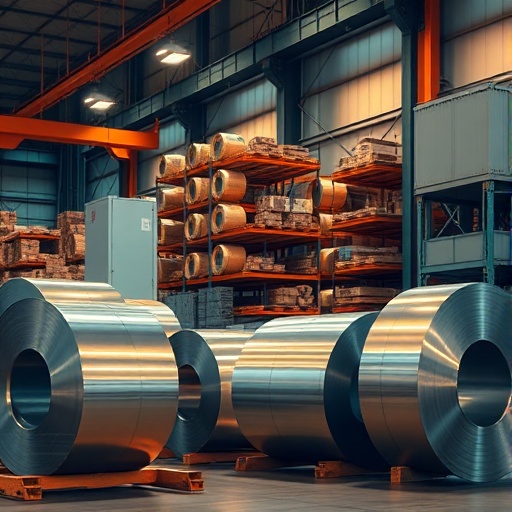
Advancements in Alloy and Stainless Steel
Steel distribution companies drive innovation by introducing improved alloy and stainless steel grades to aerospace fabricators. New alloy steel formulations deliver higher strength-to-weight ratios that allow lighter airframes without compromising safety. Stainless steel advancements focus on better fatigue resistance and weldability for complex assemblies. Distributors work with mills to qualify these materials and then make them available in sheet, bar stock, and coil forms.
When a steel distributor educates customers on these upgrades, fabricators adopt them faster. This accelerates development of next-generation aircraft that fly farther and carry more payload. The same companies often supply similar metals to the automotive and oil and gas industries, creating cross-sector knowledge that benefits aerospace applications. Recent introductions include vacuum-arc-remelted alloys with enhanced cleanliness for critical rotating components.
The Role of Waterjet Cutting in Aerospace Fabrication
Waterjet cutting has become a key service offered by progressive steel distribution companies serving aerospace. This process cuts steel sheet and plate without heat, preserving material properties in high-strength alloys. Fabricators use waterjet cutting to produce intricate shapes from stainless steel and carbon steel that traditional methods cannot achieve as cleanly.
A distributor equipped with waterjet capabilities reduces lead times for aerospace customers. They deliver near-net-shape parts that require minimal additional machining. This service supports rapid prototyping and helps manufacturers meet tight production schedules. Many fabricators now view waterjet cutting as an extension of the steel distribution relationship rather than a separate outsourcing step. Multi-head abrasive systems further increase throughput while maintaining tolerances within ±0.005 inches.
Challenges Faced by Steel Distributors in Aerospace
Supply Chain Issues with Steel and Metals
Steel distribution companies encounter ongoing supply chain pressures that affect aerospace deliveries. Mill capacity constraints and raw material shortages can extend lead times for alloy steel and stainless steel. Global events disrupt shipments of steel coil and bar stock, forcing distributors to seek alternative sources. Aerospace clients demand consistent quality and certification, so any delay ripples through production schedules.
Distributors mitigate these issues by maintaining diversified supplier relationships and strategic inventory buffers. They monitor market trends in carbon steel and galvanized steel to anticipate price swings. Companies that master these challenges strengthen their position as reliable partners for aerospace fabricators facing their own tight timelines. Dual-sourcing strategies and regional mill partnerships have become standard risk-management tools.
Regulatory Challenges and Safety Standards
Aerospace imposes rigorous regulatory requirements on every steel distributor that supplies the sector. Traceability documentation must accompany each lot of stainless steel or alloy steel from mill through processing. Safety standards dictate how distributors handle, store, and ship metals to prevent contamination or damage. Non-compliance risks grounding entire aircraft programs.
Leading companies employ experts who stay current with changing specifications from aviation authorities. They audit internal processes regularly and train staff on proper handling of cold rolled steel and sheet products. This attention to detail protects both the distributor and the aerospace customer from costly recalls or certification setbacks. Regular third-party audits and digital record-keeping systems further strengthen compliance frameworks.
Future Trends in Steel Distribution for Aerospace
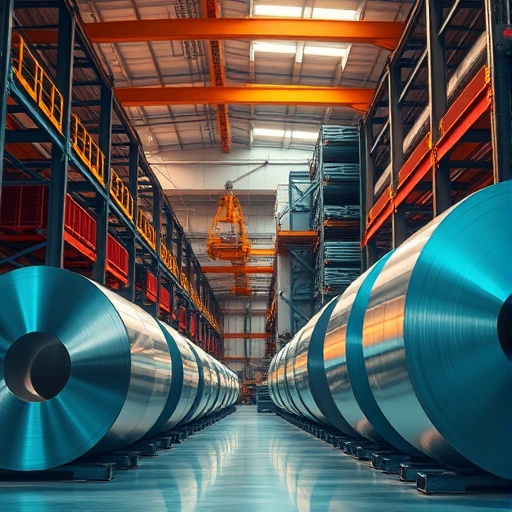
The Shift Towards Sustainable Practices
Steel distribution companies are moving toward more sustainable operations to align with aerospace sustainability goals. They prioritize suppliers that use recycled content in alloy steel and stainless steel production. Some distributors now offer carbon steel and galvanized steel sourced through lower-emission routes. Packaging reduction and optimized shipping routes further cut the environmental footprint of steel distribution.
Aerospace manufacturers increasingly ask for environmental data when selecting a steel distributor. Companies that document their sustainability metrics gain preference on new programs. This trend extends to other sectors such as construction and automotive, creating broader demand for responsible metals sourcing across the supply chain. Carbon-footprint reporting and ISO 14001 certifications are now common differentiators.
Emerging Technologies in Steel Processing
Emerging technologies reshape how steel distribution companies serve aerospace clients. Automated inventory systems and predictive analytics help distributors forecast demand for specific gauges of sheet and steel coil. Advanced processing equipment allows faster turnaround on waterjet cutting and custom bar stock preparation. Digital platforms give fabricators real-time visibility into stock levels and order status.
These tools reduce errors and speed fulfillment. A forward-looking steel distributor integrates these technologies to stay competitive while supporting the rapid pace of aerospace innovation. The result is a more agile supply network that meets evolving material needs across aerospace and related industries like oil and gas. Artificial intelligence-driven demand planning and robotic material handling are increasingly adopted to further enhance efficiency and accuracy.
See Also
- Understanding Gauge Measurement in Steel Distribution for Fabricators
- The Impact of Waterjet Cutting Technology on Steel Distribution Efficiency
- Exploring the Benefits of Cold Rolled Steel in Automotive Applications
- Innovations in Steel Coil Supply Chains for Enhanced Distribution
- How Alloy Steel Distributors Are Shaping the Future of Manufacturing