How to Train New Welders in Track Welding Skills
Understanding Track Welding Basics
Overview of Track Welding Techniques
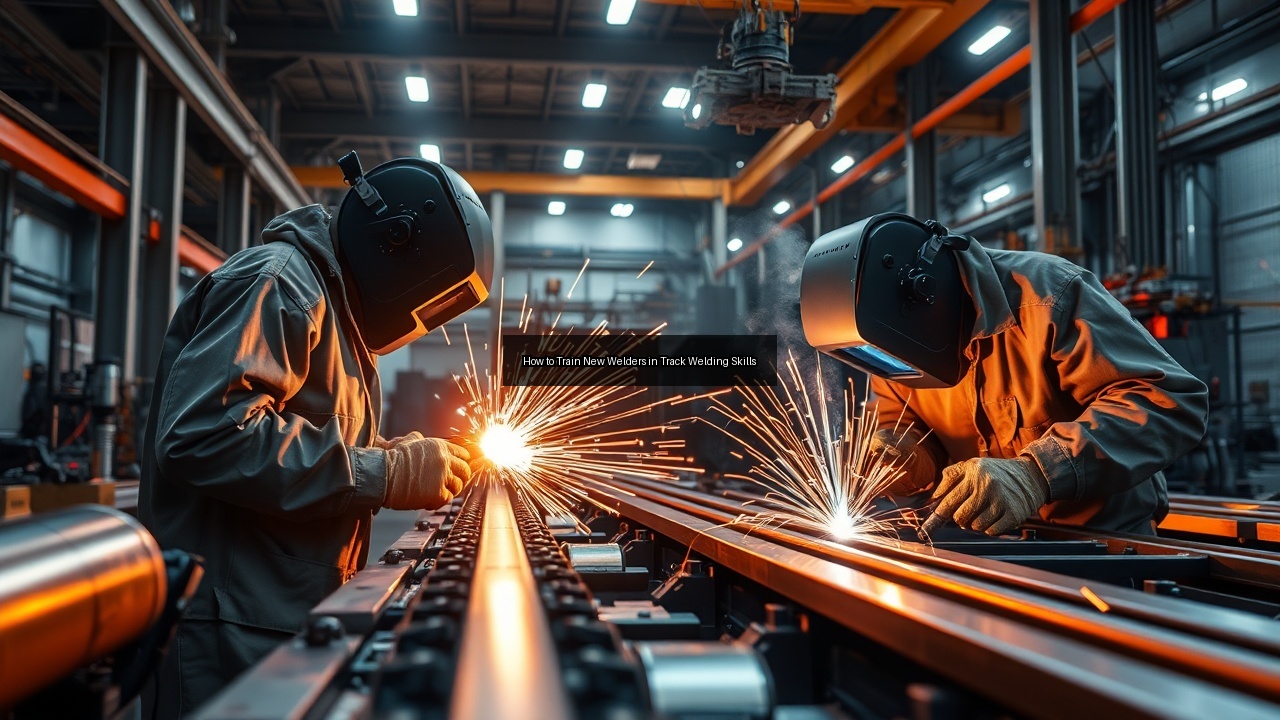
Track welding involves joining metal components using high precision and speed, essential for constructing rail systems and similar applications. Various techniques exist within track welding, including electric arc welding and thermite welding. Electric arc welding employs an electric arc to melt the base materials and weld them together, providing a strong bond. In contrast, thermite welding relies on an exothermic reaction to generate sufficient heat to fuse metal parts. Each technique has distinct advantages, with electric arc welding offering versatility and ease of use, while thermite welding excels in creating high-strength joints. Understanding these methods allows new welders to choose the appropriate technique based on project requirements.
Essential Equipment for Track Welding
Successful track welding hinges on the right equipment. Key components include welding machines, electrodes, and safety gear. Welding machines, such as those produced by Gullco International, facilitate smooth and efficient welding processes. Electrodes, vital for delivering the welding current, come in various types, including coated and solid options, each suited for different materials and environments. Safety gear, including helmets, gloves, and protective clothing, ensures welders can perform their tasks without the risk of injury. Proper equipment not only increases productivity but also enhances the quality of the weld, making it essential for training new welders.
The Role of Welding Machines in Track Welding
Welding machines serve as the backbone of the track welding process. These machines provide the necessary heat and power to achieve optimal welds. Track welding machines, specifically designed for rail applications, often feature oscillation capabilities to ensure even distribution of weld material. Machines like those from Gullco come equipped with advanced features that enhance precision and efficiency. Understanding the operation of these machines is crucial for new welders, as improper use can lead to faulty welds and safety hazards. Training should emphasize how to set up, operate, and maintain welding machines effectively.
Training New Welders for Track Welding
Key Skills and Knowledge for New Welders
Training new welders in track welding requires imparting essential skills and knowledge. New welders should grasp fundamental welding concepts, including heat control, material properties, and the impact of different techniques. They machine for track welding must also learn about various welding joints and their applications. Understanding common challenges, such as distortion and undercut, prepares welders to troubleshoot issues effectively. Moreover, developing a keen eye for detail and quality assurance is critical. Trainees should practice assessing their welds against industry standards to ensure they meet the required specifications. Enhancing these skills lays a solid foundation for a successful career in track welding.
Hands-On Training with Welding Machines
Hands-on training plays a vital role in developing proficient track welders. New welders should engage in practical exercises that allow them to operate welding machines under supervised conditions. This training should include setting up the machine, selecting appropriate electrodes, and executing various welds. Utilizing track welding machines with oscillation features provides an opportunity to experience the technology firsthand. Instructors should encourage welders to experiment with different settings to understand how they affect the weld quality. Through consistent practice, new welders gain confidence and competence, equipping them with the skills necessary to tackle real-world projects.
Safety Protocols and Best Practices
Safety is paramount in the welding industry. Training programs must emphasize safety protocols and best practices to minimize risks during track welding. New welders should become familiar with personal protective equipment (PPE), including helmets, gloves, and safety glasses, which protect them from sparks and harmful radiation. Additionally, understanding the importance of ventilation helps prevent inhalation of harmful fumes. Training should also address emergency procedures, such as fire safety measures and first aid for potential injuries. By instilling a safety-first mindset, trainers ensure that new welders can perform their duties while safeguarding their health and well-being.
Choosing the Right Equipment for Track Welding
Evaluating Track Welding Machines
Selecting the right track welding machine is crucial for achieving high-quality results. Various factors influence this decision, including the type of welding required, the materials being welded, and the project scale. Evaluating machines involves assessing their performance capabilities, such as amperage range, duty cycle, and oscillation features. Machines from reputable brands like Gullco International often provide reliable performance and advanced technology. New welders should learn to compare different models, considering user reviews and technical specifications to ensure they choose equipment that meets their specific needs and enhances their welding efficiency.
Understanding the Importance of Electrodes and Connecting Rods
Electrodes and connecting rods play significant roles in track welding. Electrodes provide the necessary filler material and facilitate the electrical circuit required for welding. Selecting the right electrode type based on the base material and the desired weld quality is essential. New welders must understand the differences between coated and uncoated electrodes, as well as the impact of electrode diameter on the welding process. Connecting rods, on the other hand, help maintain the stability of the welding arc. Training should cover the importance of these components, enabling new welders to make informed decisions that enhance their welding outcomes.
Ceramic and Wire Usage in Track Welding
Ceramic and wire materials significantly contribute to the quality of track welding. Ceramic tips, often used in conjunction with welding machines, help control the weld pool and prevent spatter, ensuring a cleaner finish. Understanding how to use ceramics effectively can lead to improved weld aesthetics and strength. Wire, particularly solid and flux-cored varieties, also plays a crucial role in filler material selection. New welders should explore the characteristics of different wire types, as each offers unique benefits depending on the welding environment and material being used. Comprehensive training on these topics enhances welders' overall competency and quality of work.
Maximizing Return on Investment in Track Welding
Cost-Benefit Analysis of Track Welding Equipment
Investing in high-quality track welding equipment requires careful consideration and a thorough cost-benefit analysis. While initial expenses may be significant, the long-term benefits often outweigh these costs. High-quality machines and materials lead to superior welds, reducing the need for rework and repairs. Additionally, efficient equipment can enhance productivity, allowing welders to complete projects faster. By analyzing the total cost of ownership, including maintenance and operational costs, businesses can determine which equipment offers the best return on investment. This strategic approach ensures that organizations make informed decisions that positively impact their bottom line.
Long-Term Benefits of Skilled Track Welders
Investing in training skilled track welders pays dividends over time. Skilled welders produce higher-quality work, which translates to fewer defects and rework. Their expertise allows for quicker problem-solving, enhancing project efficiency. Moreover, well-trained welders can adapt to various welding techniques and materials, making them versatile assets to any team. Businesses that prioritize continuous training and skill development can maintain a competitive edge, attracting more clients and securing long-term contracts. Emphasizing the importance of skilled labor in track welding ultimately fosters a culture of excellence and reliability.
Investing in Quality Training and Equipment
Investing in both quality training and equipment is essential for success in track welding. Quality training programs equip new welders with the necessary skills, knowledge, and confidence to excel in their roles. Simultaneously, state-of-the-art equipment enhances productivity and the quality of work produced. Organizations should allocate resources to both areas, ensuring that their teams are well-prepared and well-equipped to tackle the challenges of track welding. This dual investment strategy maximizes the return on investment, leading to increased efficiency, reduced errors, and ultimately, higher profitability in welding projects.