How to Choose the Best Mini RTD for Your Collection
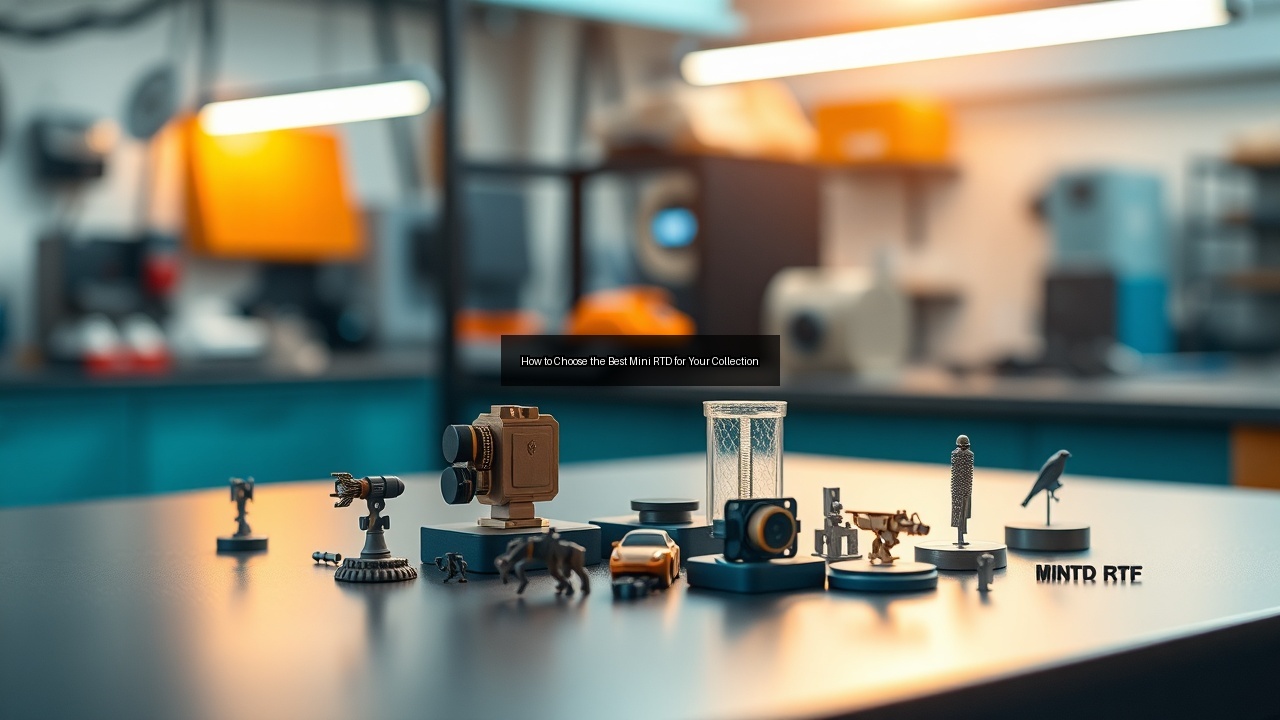
Understanding Miniature RTDs
What are Miniature RTDs?
Miniature RTDs (Resistance Temperature Detectors) provide precise temperature measurements in a compact form factor. These sensors use the principle that electrical resistance changes with temperature, making them highly accurate and reliable. Mini RTDs find applications in various industries, including aerospace, automotive, and food processing. Their small size allows for integration into tight spaces where traditional sensors might not fit, making them a popular choice for engineers and hobbyists alike. Collectors appreciate miniature RTDs not only for their functionality but also for their intricate designs and craftsmanship. As you explore the world of miniatures, understanding these devices will enhance your appreciation of their technical and artistic value.
The Evolution of Miniature RTDs
The evolution of miniature RTDs reflects advancements in technology and engineering. Initially, temperature sensors were bulky and limited in application. The demand for more efficient and versatile devices led to the development of miniaturized versions, which offered similar accuracy but in a much smaller package. Over the years, manufacturers have refined the materials and manufacturing processes, resulting in improved performance and durability. Today, miniature RTDs are available in various configurations, catering to diverse needs. Collectors often seek specific models that showcase this evolution, appreciating the blend of innovation and design. The journey of miniature RTDs highlights the intersection of science and art, making them a fascinating subject for both engineers and enthusiasts.
Types of Miniature RTDs Available
Miniature RTDs come in several types, each designed for particular applications and environments. Common types include thin-film RTDs, wire-wound RTDs, and chip sensors. Thin-film RTDs are popular due to their quick response times and high accuracy, making them ideal for applications requiring precision. Wire-wound RTDs, while slightly larger, offer excellent stability and are often used in laboratory settings. Chip sensors, the most compact option, are ideal for integration into electronic devices. Collectors may find unique designs and configurations in these categories, each telling a story about its intended use and technological advancements. Understanding these types will help you choose the best miniature RTD for your collection, ensuring that you appreciate not just the aesthetic but also the functionality of each piece.
Factors to Consider When Choosing a Mini RTD
Size and Scale: Finding the Right Fit
When selecting a miniature RTD for your collection, size and scale play critical roles. Depending on your display space and theme, you might prefer a specific size that complements your other miniatures. Some collectors gravitate toward ultra-compact models for a sleek, modern look, while others may seek larger versions that showcase intricate details. Achieving a balanced display requires careful consideration of the scale of each piece. Additionally, the integration of miniature RTDs into themed collections can enhance visual appeal, creating a cohesive narrative. Whether you aim for a diverse selection or a focused theme, ensure that each miniature RTD fits harmoniously within your overall collection.
Material Choices for Durability
The material of a miniature RTD significantly impacts its durability and aesthetic appeal. Manufacturers often use stainless steel, glass, or ceramics, each offering unique advantages. Stainless steel provides exceptional resistance to corrosion and mechanical stress, making it suitable for harsh environments. Glass and ceramic options, while more fragile, offer a classic and elegant look, often favored by collectors. Understanding the material properties can guide your choices, ensuring longevity while maintaining the visual charm of your collection. When evaluating miniature RTDs, consider how the material aligns with your intended display conditions. A well-chosen miniature not only enhances your collection but also stands the test of time, showcasing the craftsmanship and engineering excellence behind each piece.
3D-Printable Options for Customization
The rise of 3D printing technology has transformed the miniature RTD landscape, offering collectors unprecedented customization options. 3D-printable miniatures allow enthusiasts to design unique sensors tailored to personal preferences or specific themes. This technology enables the creation of intricate details and shapes that traditional manufacturing methods may not achieve. Collectors can experiment with various designs, materials, and finishes, resulting in a truly one-of-a-kind piece. Furthermore, 3D printing fosters creativity, allowing hobbyists to engage in the design process actively. As you build your collection, consider incorporating 3D-printed miniature RTDs to add distinctive flair and personal touch, making your collection stand out among others.
Building Your Miniature Collection
Curating a Themed Collection
Curating a themed miniature collection adds depth and storytelling to your display. Choose a theme that resonates with your interests, such as historical milestones in temperature measurement or specific industries where miniature RTDs excel. A cohesive theme not only enhances visual appeal but also provides context for each piece, enriching the viewer's experience. For example, a collection focused on aerospace applications could feature various RTDs used in aircraft, showcasing their evolution and significance. Alternatively, a more artistic theme might highlight unique designs and materials, celebrating the craftsmanship behind each miniature. Take time to research and select pieces that align with your theme, ensuring that each miniature RTD contributes to the overarching narrative of your collection.
Where to Find Quality Mini RTDs
Finding quality miniature RTDs requires a discerning eye and knowledge of reputable sources. Start by exploring specialized online retailers and marketplaces dedicated to miniatures and sensors. These platforms often feature a wide selection of brands and models, allowing you to compare options. Additionally, consider attending trade shows, hobby conventions, or collector fairs, where you can connect with other enthusiasts and discover unique pieces. Networking with fellow collectors can lead to recommendations for lesser-known sources, enhancing your collection further. Always prioritize quality over quantity when adding to your miniature RTD collection. This approach ensures that each piece meets your standards and contributes meaningfully to your display.
Tips for Displaying Your Miniatures
How you display your miniature RTDs can significantly impact their visual appeal and overall presentation. Consider using clear display cases to protect your pieces from dust and damage while allowing unobstructed views. Grouping miniatures by theme or color can create a striking visual effect, drawing attention to the unique features of each piece. Incorporate lighting to highlight details and add ambiance, transforming your display into an eye-catching focal point. Ensure that each miniature is positioned at an angle that showcases its best attributes. Lastly, regularly reorganize your display to keep it fresh and exciting, encouraging ongoing appreciation for your growing collection. Thoughtful display techniques elevate the perceived value of your miniatures, inviting admiration and curiosity from viewers.