How the Right Flange Design Can Transform Your Cycling Experience
Understanding Hub Flanges and Their Importance
What Are Hub Flanges?
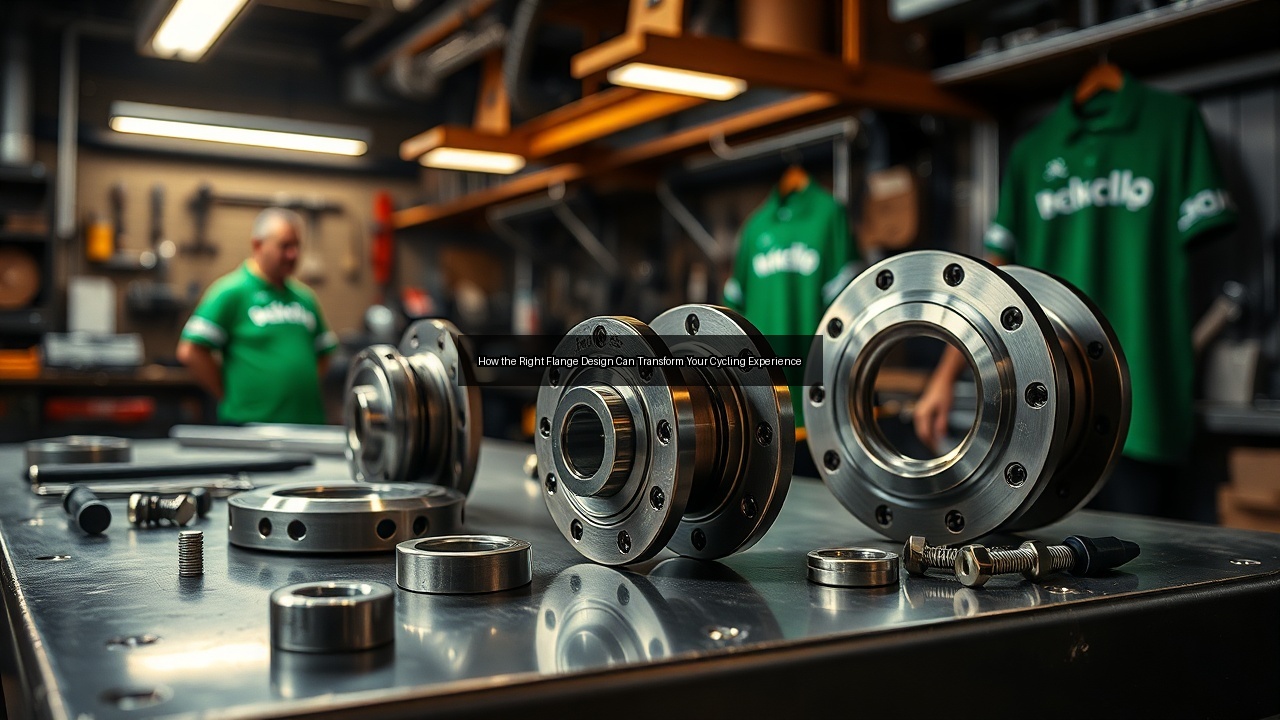
Hub flanges are the outward extensions of a bicycle wheel hub, serving as critical components that connect the spokes to the hub. These flanges support the wheel's structure and play a vital role in distributing the forces exerted during pedaling and cornering. A well-designed flange ensures optimal load distribution, stability, and overall performance. The design, height, and material of the hub flange can significantly affect how a cyclist experiences the ride. In essence, flanges are not just structural elements; they are integral to a bicycle's efficiency and responsiveness on various terrains.
The Role of Flanges in Bicycle Wheel Design
Flanges perform multiple functions within bicycle wheel design. They anchor the spokes, which connect the hub to the rim, creating a tensioned structure that supports the weight of the rider and absorbs shocks from the road. The positioning and shape of the flanges impact the wheel's overall strength and rigidity. Furthermore, flanges influence how the wheel behaves under stress, determining whether it flexes or maintains its shape during aggressive riding. Quality flanges can prevent wheel deformation, which is particularly important for competitive cyclists seeking every advantage, such as those competing in the Tour de France Femmes.
Types of Flanged Hubs Used in Cycling
Cyclists encounter several types of flanged hubs, each tailored to specific riding styles and performance needs. Standard hubs typically feature a simple flange design, suitable for casual riding and commuting. On the other hand, high-performance hubs, often found in racing bikes, may utilize oversized flanges to enhance stiffness and improve power transfer. Some models incorporate a unique shape to reduce drag, optimizing aerodynamics. Additionally, there are hubs designed with multiple flange heights, allowing riders to customize their setup based on personal preferences or specific conditions, such as racing in Bordeaux or tackling the climbs in Aurillac.
The Impact of Flange Design on Performance
How Flange Shape Influences Aerodynamics
The shape of a hub flange plays a crucial role in aerodynamics. A well-designed flange minimizes airflow disruption, reducing drag and allowing cyclists to maintain higher speeds with less effort. Aerodynamic flanges often feature a teardrop shape or other streamlined designs that help cut through the wind. Competitive cyclists, particularly those participating in events like the Tour de France Femmes, benefit significantly from these advancements in flange design. By reducing wind resistance, they can focus on performance without expending unnecessary energy. The right flange shape can mean the difference between winning a stage or finishing behind competitors.
The Significance of Bearing Placement
Flange design also affects bearing placement, which is crucial for wheel performance. Proper positioning of bearings within the hub ensures smooth rotation and reduces friction, enhancing the overall efficiency of the wheel. When bearings are positioned too close to the flange, they may experience increased stress, leading to premature wear and a less responsive ride. Conversely, optimal bearing placement allows for better load distribution and longer-lasting performance. For example, professional riders like Tom Pidcock carefully select hubs with ideal bearing placements to maximize their efficiency on demanding courses. This attention to detail can translate into seconds won or lost during critical moments of a race.
Tom Pidcock's Winning Setup: A Case Study
Tom Pidcock, a prominent figure in professional cycling, exemplifies how the right flange design can enhance performance. His choice of wheels often reflects a meticulous selection process, prioritizing hub flanges that provide the perfect balance of strength and weight. Pidcock's setup frequently includes flanges that are engineered for aerodynamics, allowing him to cut through the air more efficiently during races. The combination of high-quality ball bearings and precise flange dimensions contributes to his speed and agility on the bike. Observing Pidcock's equipment choices offers valuable insights for cyclists aiming to improve their setups, whether racing for a green jersey or simply enjoying a weekend ride.
Choosing the Right Flange for Your Cycling Needs
Factors to Consider: Materials and Design
Selecting the right flange for your bicycle involves considering various factors, including materials and design. Flanges made from aluminum or carbon fiber offer different advantages. Aluminum flanges are lightweight and durable, making them a popular choice among cyclists aiming for a balance between performance and cost. On the other hand, carbon fiber flanges provide superior strength-to-weight ratios, ideal for those who prioritize speed and efficiency. Design elements such as flange height and shape also matter. Taller flanges can improve stability and lateral stiffness, which is crucial for competitive cycling. Riders should assess their riding style and conditions to determine the best flange material and design for their needs.
The Effect of Flange Height on Stability
Flange height significantly impacts the stability of a bicycle wheel. Higher flanges typically enhance the stiffness of the wheel, allowing it to withstand greater forces without flexing. This increased stiffness translates to improved flange hub power transfer from the pedals to the road, making it easier for cyclists to maintain speed and control. However, taller flanges can also add weight, which may not be ideal for every rider. Cyclists must strike a balance between height and weight, considering their riding style and terrain. For example, a rider competing in mountainous regions may prefer the added stability of taller flanges, while those focused on flat, fast courses might opt for lighter setups.
Upgrading Your Flange: A Guide for Cyclists
Upgrading your hub flange can significantly enhance your cycling experience. Start by assessing your current setup and identifying areas for improvement. Consider whether your existing flanges provide adequate strength and stability for your riding style. Explore options that offer better materials or advanced designs. When upgrading, pay attention to compatibility with your existing wheel system, including set screws and bushing configurations. Many cyclists find that investing in higher-quality flanges yields noticeable improvements in performance and comfort. Researching specific brands and models, as well as seeking advice from experienced cyclists, can help you make informed decisions that align with your cycling goals.
Real-World Applications: From Competitive Racing to Casual Riding
Flange Innovations in the Tour de France Femmes
The Tour de France Femmes showcases the cutting-edge innovations in flange design that push the boundaries of performance. Engineers and designers collaborate to create flanges that enhance aerodynamics, reduce weight, and improve durability. Innovations like customizable flange heights and specialized materials have emerged from this competitive environment, allowing female cyclists to optimize their setups. The race not only highlights the importance of flanges but also inspires manufacturers to continue evolving their designs. Riders who keep an eye on these advancements can gain insights into how to elevate their own cycling experiences, whether racing or riding for leisure.
Stock vs. Custom Flanges: What You Need to Know
Cyclists often face the decision between stock and custom flanges. Stock flanges come pre-installed on many bicycles and are designed to meet general performance standards. While they can be sufficient for casual riding, serious cyclists might benefit from custom flanges tailored to their specific needs. Custom flanges allow for adjustments in height, material, and design, enabling riders to fine-tune their setups for maximum performance. However, custom options may come at a higher cost and require more research. Weighing the pros and cons of stock versus custom flanges can help cyclists make informed decisions that align with their goals and riding styles.
Maintaining Your Bearings: Tips for Longevity
Proper maintenance of hub bearings ensures longevity and optimal performance. Regularly inspect your bearings for signs of wear or damage, especially after long rides or races. Clean the bearings and apply appropriate lubricant to reduce friction and prevent rust. Pay attention to the condition of the set screws and bushings, as these components can impact overall wheel performance. Cycling in different environments, such as wet conditions or dusty trails, may require flange hub more frequent maintenance. Establish a routine for checking and maintaining your bearings to ensure a smooth and efficient ride, allowing you to enjoy every moment on your bicycle.