A Guide to Designing Molds for Thermoset Injection Molding Success
Understanding Thermoset Injection Molding
What are Thermoset Materials?
Thermoset materials represent a class of polymers that undergo a chemical change when heated, resulting in a rigid structure that cannot be remolded or reprocessed. Common examples include epoxy resins, phenolic resins, and polyurethanes. The unique characteristic of thermosets lies in their ability to withstand high temperatures and resist chemical degradation, making them ideal for demanding applications in industries such as automotive, aerospace, and electronics. Unlike thermoplastic materials, which melt and can be reshaped multiple times, thermosets maintain their form and strength once cured. This quality enhances their durability and molding thermosets suitability for applications requiring high performance and stability.
The Injection Molding Process Explained
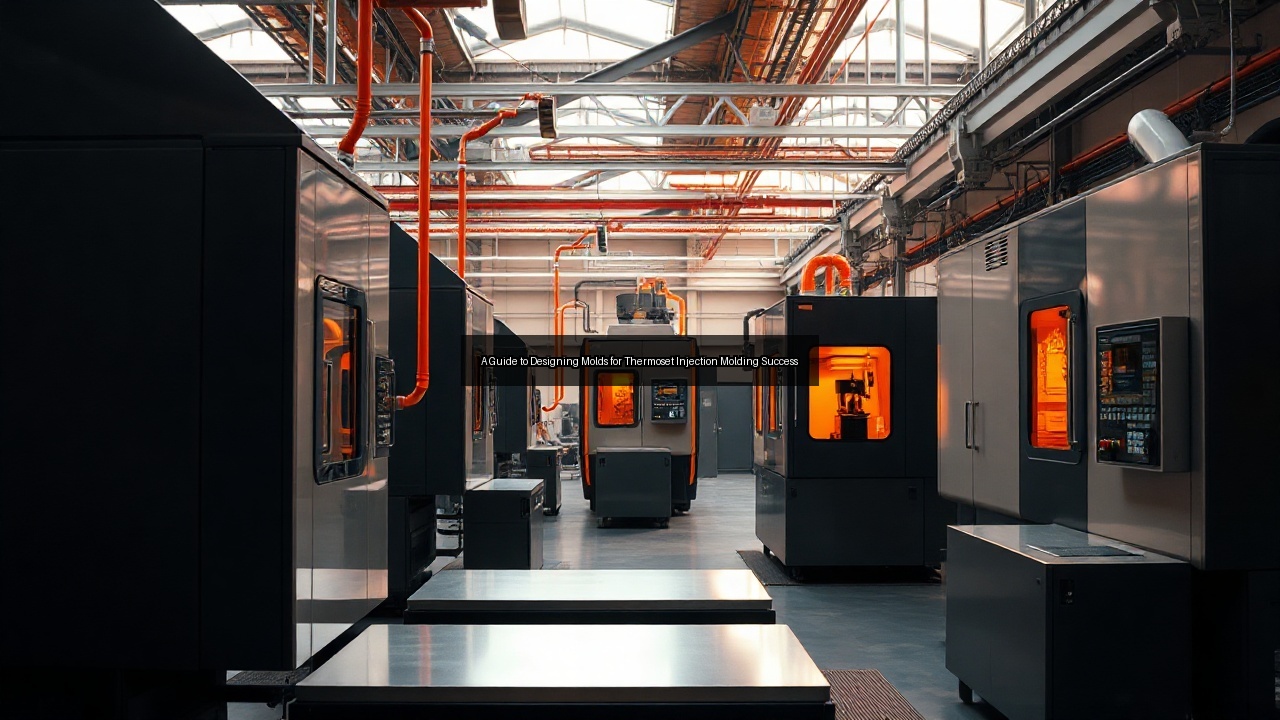
Injection molding serves as a key manufacturing process for producing parts from thermoset materials. The process begins with heating the thermoset polymer until it reaches a flowable state. This molten material then gets injected into a pre-designed mold under high pressure. Once the material fills the mold, it undergoes a curing phase where it hardens and takes the shape of the mold. After curing, the mold opens, and the finished component is ejected. This method allows for the mass production of intricate and complex parts with minimal waste, making it a preferred choice for manufacturers. Understanding the nuances of the injection molding process is essential for achieving high-quality thermoset components.
Thermoset vs. Thermoplastic: Key Differences
Thermosets and thermoplastics differ significantly in their properties and applications. Thermoplastics soften upon heating and can be reshaped multiple times, making them versatile for various applications, such as plastic bags and containers. In contrast, thermosets, once cured, cannot be remelted, which limits their reusability but enhances their thermal and chemical resistance. These differences influence manufacturing processes; thermoplastic injection molding allows for quicker cycle times, while thermoset injection molding emphasizes durability and resistance. Understanding these distinctions aids manufacturers in selecting the appropriate material based on specific application requirements, ultimately driving the success of projects in sectors that demand reliability and performance.
Designing Effective Molds for Thermosets
Essential Considerations in Mold Design
Creating effective molds for thermoset injection molding requires attention to several key factors. First, mold design should account for the thermal properties of thermoset materials. Effective heat transfer within the mold is crucial, as it influences curing times and overall part quality. Additionally, precise dimensions and tolerances are vital to ensure that the final product meets specifications. Designers should also consider the mold's ejection system, which must effectively release parts without damaging them. Incorporating features such as vents can help manage air and gas escape during the injection process. Ultimately, a well-designed mold facilitates efficient production while ensuring the integrity of thermoset components.
The Role of CNC Machines and Lathes in Mold Manufacturing
CNC machines and lathes play a pivotal role in the manufacturing of molds for thermoset injection molding. Computer Numerical Control (CNC) machines provide high precision and repeatability, essential for creating complex mold shapes. These machines can execute intricate designs with minimal human intervention, reducing the likelihood of errors. Lathes are particularly useful for creating cylindrical components and can work with various materials, including metals and composites. The integration of these advanced manufacturing technologies into mold making enhances the efficiency and accuracy of the production process, resulting in high-quality molds that meet the rigorous demands of thermoset applications.
Incorporating Inserts and Overmolding Techniques
Insert molding and overmolding techniques add versatility to thermoset injection molding. Insert molding involves embedding components, such as metal inserts, into the thermoset part during the molding process. This technique enhances product functionality and strength, particularly in applications requiring enhanced durability. Overmolding, on the other hand, allows for the application of a second material, typically a thermoplastic, over an existing thermoset part. This combination can provide flexibility, grip, or aesthetic appeal. Both methods require careful mold design to ensure proper adhesion and alignment, making them valuable techniques for manufacturers looking to innovate and expand their product offerings.
Challenges and Solutions in Thermoset Injection Molding
Common Issues in Thermoset Molding
Thermoset injection molding presents unique challenges, including issues related to curing and material flow. Incomplete curing can lead to weak components, while poor flow can result in defects like voids or misalignments. Additionally, the viscosity of thermoset materials can create difficulties in filling complex molds. Manufacturers often face challenges in achieving the right balance between heating times, injection pressures, and cooling rates. To mitigate these issues, process optimization through simulation software can help predict potential problems. Regular maintenance of injection molding equipment ensures consistent performance and minimizes downtime, further enhancing the quality of thermoset components produced.
Utilizing Liquid Silicone Rubber in Thermoset Applications
Liquid silicone rubber (LSR) has gained popularity in thermoset applications due to its unique properties. LSR provides excellent thermal stability, flexibility, and chemical resistance, making it ideal for various industries, including medical and automotive. Its ability to withstand extreme temperatures without deforming complements the strengths of traditional thermoset materials. Moreover, LSR can be used in overmolding applications, creating a seamless bond between different materials. This adaptability allows manufacturers to produce multifunctional components that meet specific industry standards. The integration of LSR into thermoset injection molding processes enhances the performance and longevity of the final products.
Compliance with ISO 13485 Standards in Molding Processes
Adhering to ISO 13485 standards is crucial for manufacturers involved in thermoset injection molding, especially in regulated sectors like healthcare. This standard outlines requirements for quality management systems that ensure consistent product quality and safety. Compliance involves rigorous documentation, regular audits, and continuous improvement practices. Manufacturers must implement stringent controls in their molding processes to meet these standards, from raw material selection to final inspection. Achieving ISO 13485 certification not only enhances product reliability but also builds customer trust in the brand. This commitment to quality management significantly impacts the overall success of thermoset products in the marketplace.
Future Trends in Thermoset Injection Molding
Advancements in Thermoset Polymer Technologies
Ongoing advancements in thermoset polymer technologies promise to revolutionize injection molding processes. Research focuses on developing new formulations that enhance performance characteristics, such as improved thermal stability, reduced curing times, and greater chemical resistance. Innovations in additives and fillers, including bio-based materials, aim to create environmentally friendly thermoset options. These advancements not only enhance the functionality of thermoset components but also align with the growing demand for sustainable practices in manufacturing. As technology evolves, manufacturers can expect to see a broader range of applications for thermoset materials across diverse industries.
Sustainable Practices in Injection Molding
Manufacturers increasingly adopt sustainable practices in thermoset injection molding to minimize environmental impact. Strategies include optimizing energy use during the molding process, recycling waste materials, and utilizing bio-based thermoset materials. Implementing closed-loop systems allows for the reuse of materials, reducing the demand for virgin resources. Companies are also exploring the use of eco-friendly chemicals in the production process to lower emissions and toxicity. By prioritizing sustainability, manufacturers not only comply with regulations but also appeal to a market increasingly concerned with environmental stewardship. These practices enhance brand reputation and contribute to a more sustainable future in manufacturing.
Innovative Applications of Thermoset Components
The versatility of thermoset materials has paved the way for innovative applications across various industries. In the automotive sector, thermoset components are integral to manufacturing lightweight, durable parts that enhance fuel efficiency and performance. The electronics industry benefits from thermoset polymers' electrical insulation properties, making them ideal for circuit boards and connectors. Additionally, the construction sector utilizes thermoset materials for coatings and adhesives, providing durability and resistance to harsh environmental conditions. As manufacturers continue to explore new applications for thermoset components, the potential for growth and innovation in thermoset injection molding remains vast.
See Also
- Maximizing Design Flexibility with Thermoset Injection and Overmolding
- The Role of Automation in Advancing Thermoset Injection Molding Efficiency
- Thermoset Injection Molding Myths Debunked for Better Understanding
- Understanding the Differences Between Compression Molding and Thermoset Injection Molding
- Exploring the Cost Benefits of Choosing Thermoset Injection Molding for Manufacturing