Decoding Threaded vs. Welded Fittings for Your Next Project
Understanding the Basics of Pipe Fittings
Introduction to Pipe Fittings
Pipe fittings connect sections of pipe and tubing in fluid systems across industries. Engineers rely on these components to direct flow, change direction, and join lines of varying diameters. In oil and gas operations, pipe fittings maintain integrity under demanding conditions. Steel pipe runs through refineries and pipelines where pressure and temperature fluctuate constantly. Common pieces include the pipe tee for branching flows, reducers that step down diameter, the pipe cap that seals ends, and the flange that allows bolted connections. Each fitting type serves a precise role in routing hydrocarbons or process fluids without leaks. Proper selection prevents downtime and supports continuous production. Workers inspect every joint during assembly to confirm alignment and seal quality.
Types of Pipe Fittings
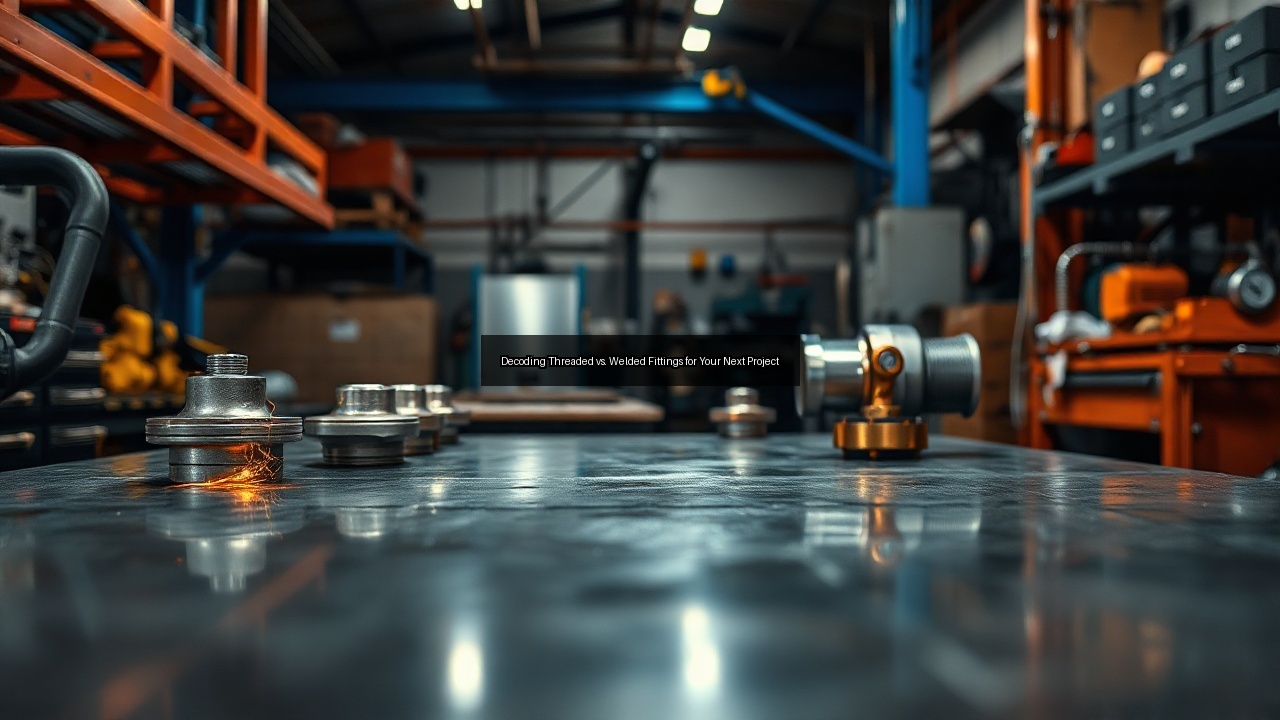
Threaded fittings feature machined threads that screw onto matching pipe ends for quick assembly. Welded fittings, by contrast, require welding to create permanent bonds. Socket weld fitting designs insert pipe into a recessed area before welding occurs. Butt weld fitting configurations bevel pipe ends for full-penetration welds that match wall thickness. Reducers transition between different pipe diameters while pipe tees split flow into multiple directions. Pipe caps close off unused lines, and flanges provide removable access points. Carbon steel weld fitting options dominate high-strength applications because they resist corrosion and handle heavy loads. Each variety matches specific layout needs and maintenance schedules in processing plants.
The Role of Pressure and Temperature in Fittings
Pressure ratings dictate how much force a fitting withstands before failure. Temperature swings affect material expansion and contraction, altering seal performance over time. Weld fittings maintain strength when systems operate above 500 degrees Fahrenheit because the continuous weld eliminates thread gaps. Threaded connections risk loosening under repeated thermal cycling. In oil and gas facilities, engineers calculate maximum allowable pressure for every pipe diameter and fitting combination. They select materials that retain ductility at both high and low extremes. Proper derating factors ensure safety margins during peak operations. Regular testing verifies that welds and threads hold integrity after exposure to these stresses.
Threaded vs. Welded Fittings: Key Differences
Design and Construction
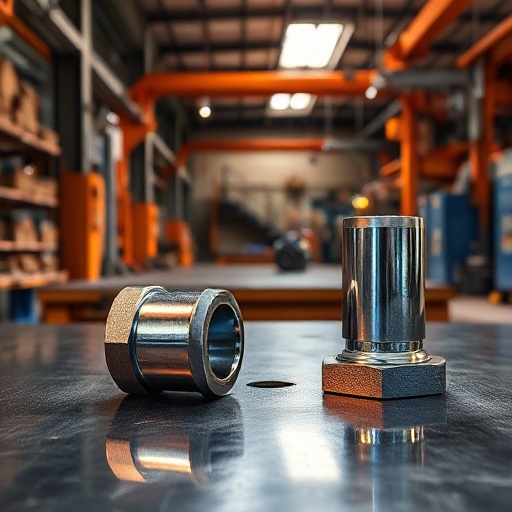
Threaded fittings use tapered or straight threads cut into the body for mechanical attachment. Welded fittings arrive with ends prepared for fusion to pipe walls. A weld fitting creates a metallurgical bond that distributes stress evenly around the joint. Construction of socket weld fitting units includes an internal shoulder that aligns the pipe before welding. Butt weld fitting pieces bevel both pipe and fitting for complete root penetration. Threaded designs require no heat input during installation yet leave helical stress risers. Welded versions eliminate those crevices, reducing corrosion sites in aggressive fluids. Manufacturers produce both styles from carbon steel and alloys to match service requirements.
Installation Methods
Threaded fittings tighten with wrenches after applying thread sealant. Welded fittings demand skilled welders, proper bevels, and post-weld inspection. Welding fitting procedures include root pass, fill passes, and cap passes to achieve full strength. Socket weld fitting joints need a small gap for expansion during heating. Butt weld fitting installations align pipe and fitting in fixtures before applying heat. Threaded methods finish faster in confined spaces where welding torches pose hazards. Welded connections require permits, fire watches, and nondestructive testing. Both approaches demand clean surfaces and correct alignment to avoid leaks later.
Performance Under Pressure and Temperature
Welded joints transmit pressure loads directly through the weld metal without relying on thread engagement. Threaded fittings can experience galling or stripping when pressure spikes occur repeatedly. High temperature service favors weld fittings because threads lose preload as materials expand differently. Socket weld fitting and butt weld fitting options both achieve pressure ratings equal to the connected pipe. In oil and gas pipelines, operators prefer welded fittings for main transmission lines where vibration and thermal cycling are constant. Threaded connections suit instrument tubing and low-pressure branches. Fatigue testing shows welded joints outlast threaded ones under cyclic loading.
Applications in the Oil and Gas Industry
Importance of Reliable Connections
Oil and gas facilities depend on leak-free connections to protect personnel and the environment. A single failed fitting can release flammable fluids and trigger shutdowns. Weld fitting joints provide continuous metal paths that resist vibration from pumps and compressors. Threaded fittings work well in temporary setups or areas requiring frequent disassembly. Carbon steel weld fitting assemblies handle sour service fluids containing hydrogen sulfide. Every joint undergoes hydrostatic testing and radiographic examination before commissioning. Reliable connections maintain production rates and regulatory compliance throughout the asset life.
Choosing the Right Fitting for Pipes
Engineers evaluate pipe diameter, wall thickness, fluid composition, and operating envelope before specifying fittings. Large-diameter steel pipe lines typically use butt weld fitting connections for strength. Smaller tubing runs often employ threaded or socket weld fitting options. Reducers and pipe tees must match the parent pipe schedule to avoid turbulence. Flanges allow valve removal without cutting welds. Selection also considers future maintenance access and the cost of hot work permits. Matching fitting metallurgy to pipe prevents galvanic corrosion in mixed-material systems.
Impact of Fitting Types on System Efficiency
Smooth internal profiles in butt weld fitting joints minimize pressure drop across the system. Threaded fittings introduce minor restrictions that accumulate in long pipe runs. Welded connections reduce leak points, lowering fugitive emissions and product loss. In high-flow oil and gas gathering systems, every fraction of pressure recovered improves compressor efficiency. Proper fitting choice also shortens installation time when welders complete multiple joints per shift. Overall system reliability rises when designers standardize on welded fittings for critical paths and threaded fittings for utility lines.
Cost Considerations in Choosing Fittings
Initial Costs vs. Long-Term Savings
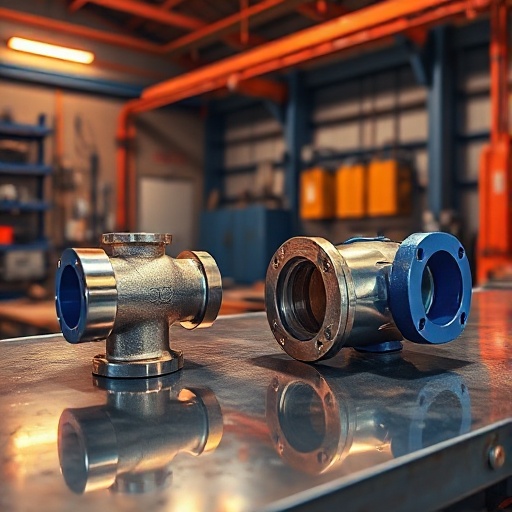
Threaded fittings cost less upfront and require minimal tools for installation. Weld fitting projects incur higher labor and inspection expenses at the outset. Over the project life, welded joints reduce leak repairs and replacement frequency. Carbon steel weld fitting assemblies resist erosion better than threaded alternatives in abrasive services. Facilities that track total ownership cost often favor welding fitting methods for permanent infrastructure. Initial budgets must include welder certification, equipment rental, and nondestructive testing fees.
Factors Affecting Fitting Costs
Material grade, diameter, and pressure rating drive base prices for every fitting. Larger pipe dimensions require thicker weld fittings and more weld metal. Socket weld fitting sizes stay economical below two inches while butt weld fitting becomes preferable above that threshold. Transportation, storage, and handling add logistics expenses. Regional labor rates for certified welders versus pipefitters influence the final installed cost. Availability of standard versus specialty reducers, pipe tees, and pipe caps also affects procurement timelines.
Cost Analysis of Welded versus Threaded Fittings
Direct comparison shows threaded fittings win on small-bore, low-pressure utility lines where frequent access matters. Welded fittings deliver lower lifecycle cost on main process headers exposed to pressure cycling and temperature extremes. A typical 4-inch carbon steel weld fitting joint may cost three times the threaded equivalent at purchase yet require zero maintenance for decades. Threaded joints often need periodic retightening or seal replacement. Project teams run net present value calculations that incorporate downtime risk, repair labor, and environmental penalties before final selection.
Selecting the Right Fitting for Your Project
Understanding Pipe Diameters and Dimensions
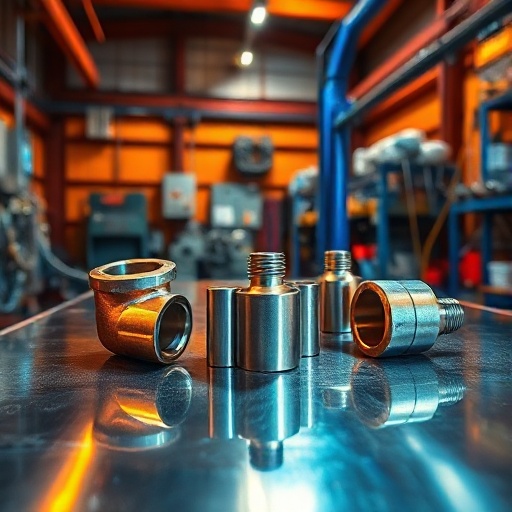
Pipe diameter and wall schedule determine compatible fitting sizes. Nominal pipe size must match exactly when specifying butt weld fitting or socket weld fitting components. Outside diameter tolerances affect weld bevel preparation and thread engagement depth. Engineers consult dimension tables for reducers, pipe tees, and flanges to maintain flow characteristics. Accurate measurement prevents misalignment that concentrates stress at joints. Cone-shaped transitions in eccentric reducers require precise orientation to avoid air pockets in horizontal lines.
Comparative Advantages of Welded and Threaded Fittings
Welded fittings provide superior strength and leak resistance in permanent installations. Threaded fittings allow rapid assembly and disassembly without specialized equipment. Weld fitting joints handle higher pressure and temperature combinations than threaded counterparts of the same diameter. Threaded options reduce hot work requirements in operating plants. Project conditions such as vibration, corrosion allowance, and inspection access guide the final choice between these two families.
Common Types of Weld Fittings: Butt Weld, Socket Weld, and More
Butt weld fitting connections bevel pipe ends for full-penetration welds that preserve full pipe strength. Socket weld fitting designs insert pipe into a socket for fillet welds suitable for smaller diameters. Additional weld fitting styles include long-radius elbows, concentric reducers, and weld neck flanges. Each type supports specific routing needs in oil and gas piping networks. Proper bevel angles, root gaps, and weld procedures ensure code compliance and long service life. Selection balances performance requirements against installation constraints and total project cost.